
Air-dry clay: new to the Kite range
In difficult times, people particularly need something that allows them to take their mind off things, focus, feel present in the moment and see the results of their efforts straight away. That is why interest in creative pursuits is on the rise: they are calming, restore a sense of control and are simply enjoyable.
One of the most popular forms of creative expression is modelling, and it is clay that is becoming increasingly popular with both children and adults.
Traditional clay requires specialised equipment and a potter’s kiln to work with. Polymer clay needs to be baked in an oven at a specific temperature. For a school, nursery or kitchen at home, this is either difficult or impossible.
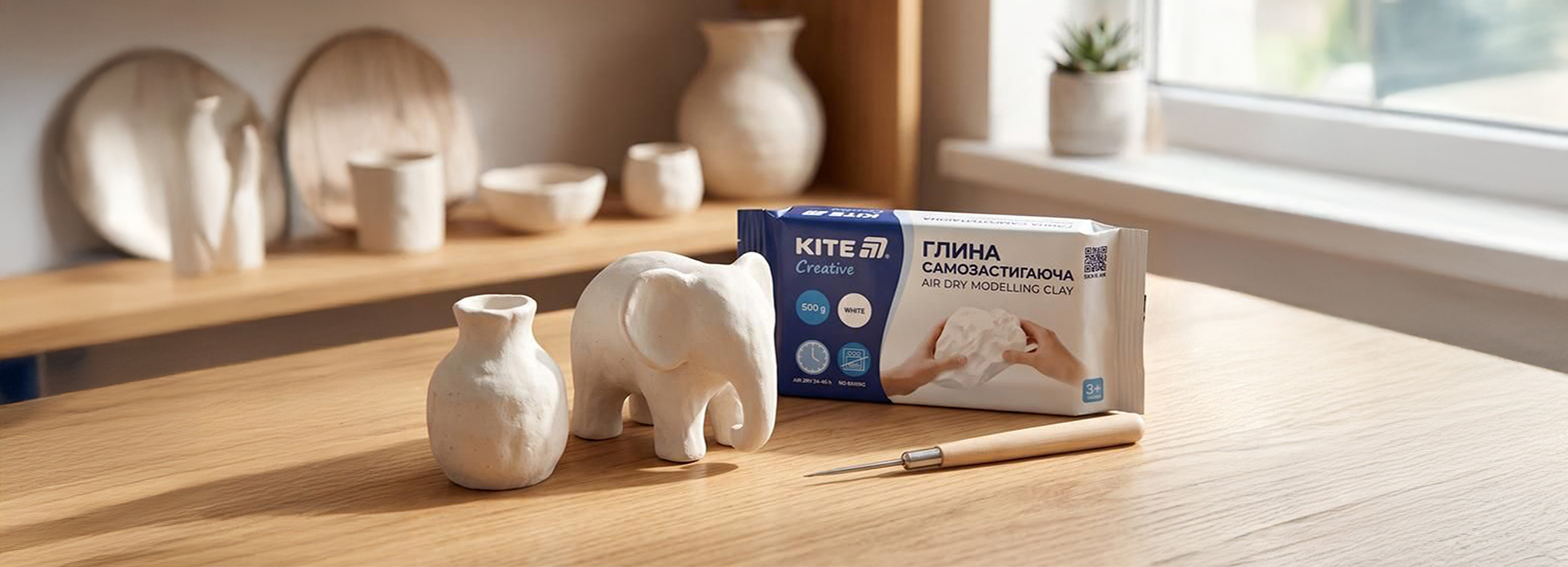
And here’s some good news: Kite now stocks clay that doesn’t require any special treatment. It hardens on its own, in the air, within 24–48 hours. No kiln, oven or special conditions are needed. All you need is a table and a bit of free time.
What sort of material is this?
It is a soft, malleable material that sets without baking or any further processing. It is easy to knead by hand, requires no moistening and holds its shape well.
The clay is available in three colours:
- White. A versatile base that takes paint well. Suitable if you plan to paint the item.
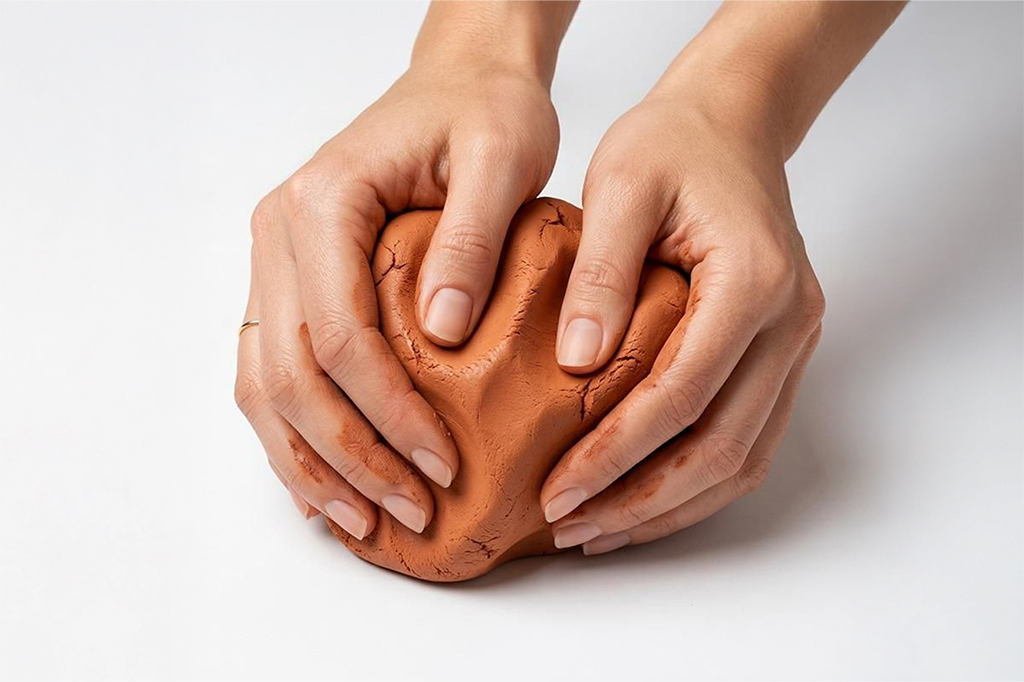
- Terracotta. A classic ceramic finish. The piece looks finished even without being painted, as if it had been fired.
- Grey. A calm, neutral colour for simple, minimalist pieces.
- There are three pack sizes: 250 g for first attempts and small items, 500 g for several items or one large item, and 1,000 g for batches and group sessions..
How to work with it
- Prepare a flat surface that is easy to wipe clean. If necessary, place some paper or oilcloth underneath.
- Knead a piece of clay until it has a soft, smooth consistency.
- Shape the form with your hands, and work on the small details with your fingers or a stick.
- When joining the pieces together, dampen the joint slightly with water. This will prevent the joint from cracking once it has dried.
- Leave the item to dry on a flat surface, away from draughts and direct sunlight.
Check whether it is ready by touch: the surface should be firm and uniform, with no soft spots inside. The time required depends on the thickness. Thin pieces dry faster, whilst thicker moulds take longer. For three-dimensional items, it is best to make a hollow base, for example out of foil.
Once dry, the piece can be treated like a ceramic item: sand it down with fine-grit sandpaper, paint it with acrylic paint and coat it with a matt or gloss varnish. Alternatively, you can leave the clay in its natural state. By mixing white and terracotta clay whilst it is still fresh, you can achieve warm, pastel shades without using any paint.
Why is the introduction of this position important?
Modelling with clay and creating ceramic items is no longer an activity reserved for those with specialised kilns. You can now create a piece in the ceramic style at your school desk, on the kitchen table or in a club room.
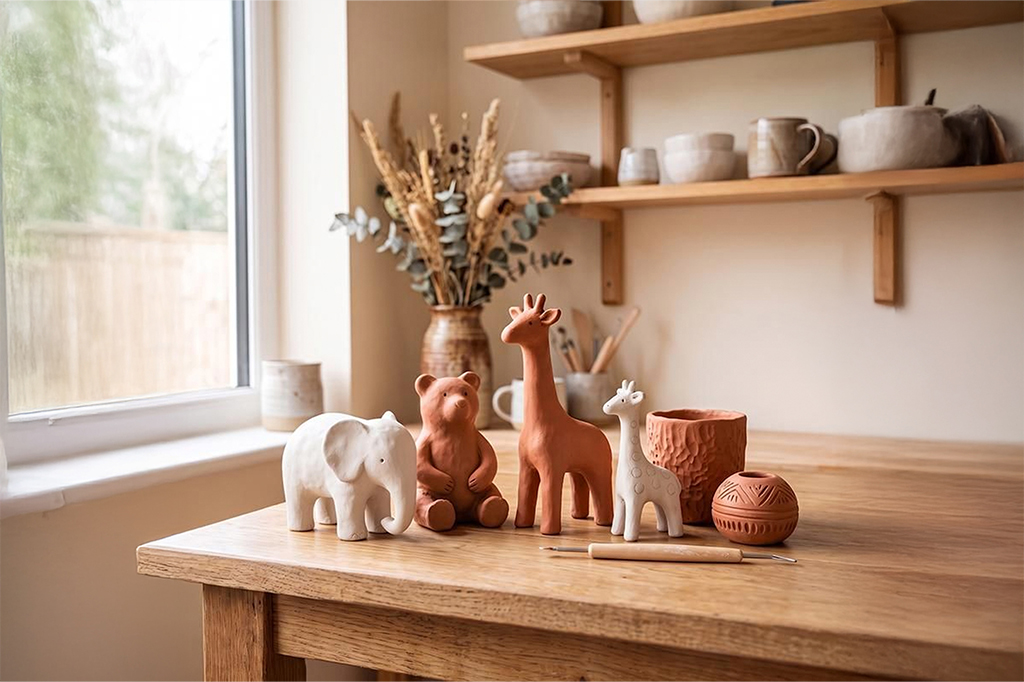
The applications for air dry moddelling clay are endless
- School. The material does not require a kiln, so it is suitable for classroom use. It can be used to make relief maps, models of cells or leaf shapes for biology and geography lessons, scale models of architectural forms for art lessons, and tactile cards featuring letters and numbers. The children make these visual aids themselves.
- Nursery and children’s creativity. It is recommended that children aged 3 and over use clay under adult supervision. It helps develop fine motor skills and provides an introduction to three-dimensional modelling.
- Hobbies and creative pursuits at home. Magnets, pendants, earrings, brooches, candle holders, key and ring bowls, themed decorations for celebrations and themed photo shoots. You don’t need a studio or any experience.
- Handmade items and gifts. Keyrings featuring a pet’s name or paw print, medallions with a birthday date, and buttons for knitted items. These items are personalised and unique to each person.
- Corporate workshops and group sessions. No equipment is required; participants take the finished item home with them.
- Daily life and family leisure. Miniature decorations for flower pots, seasonal arrangements, Christmas figurines. Children and adults can make these together without any complicated preparation.
Kite Creative self-hardening clay removes the main barrier between people and modelling: the need for equipment. It is suitable for both a Year 1 pupil and an adult who wants to make something for the home with their own hands.
The new product is now avaible to oder!
Latest news

Kite and GoPack have presented their 2027 collections and set the tone for the coming season
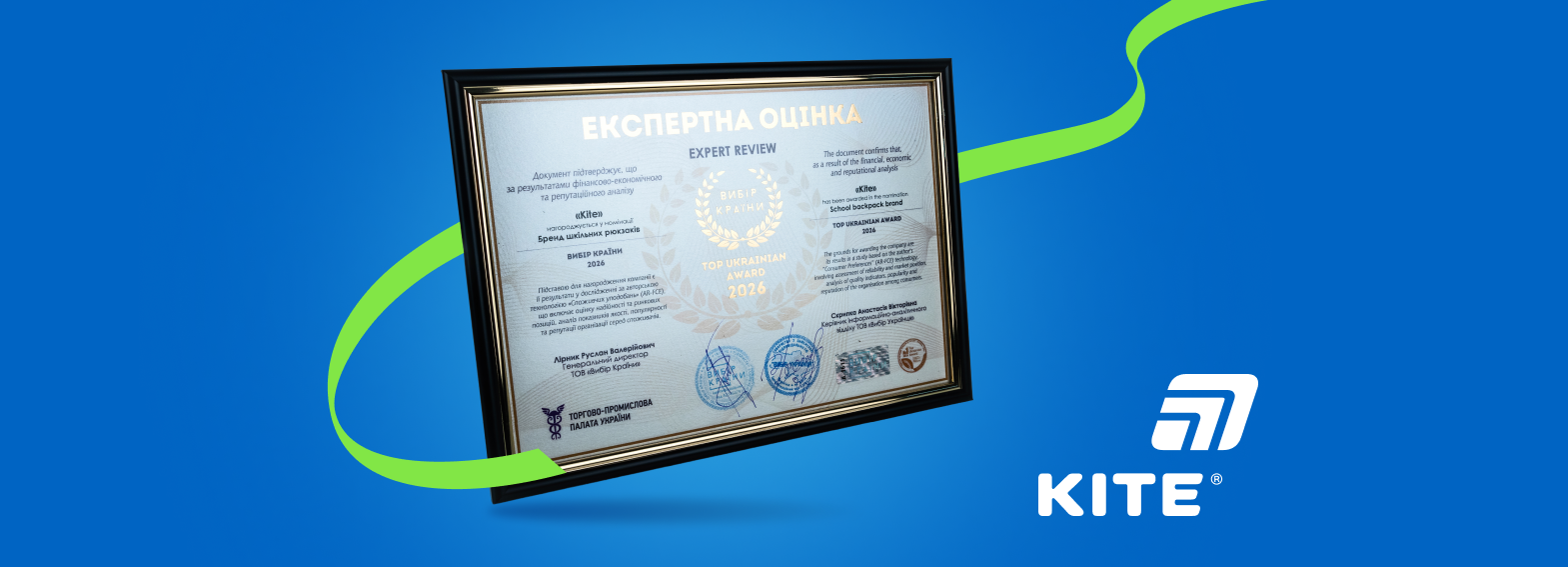
Kite school rucksacks — winners of the ‘Country’s Choice 2026’ award
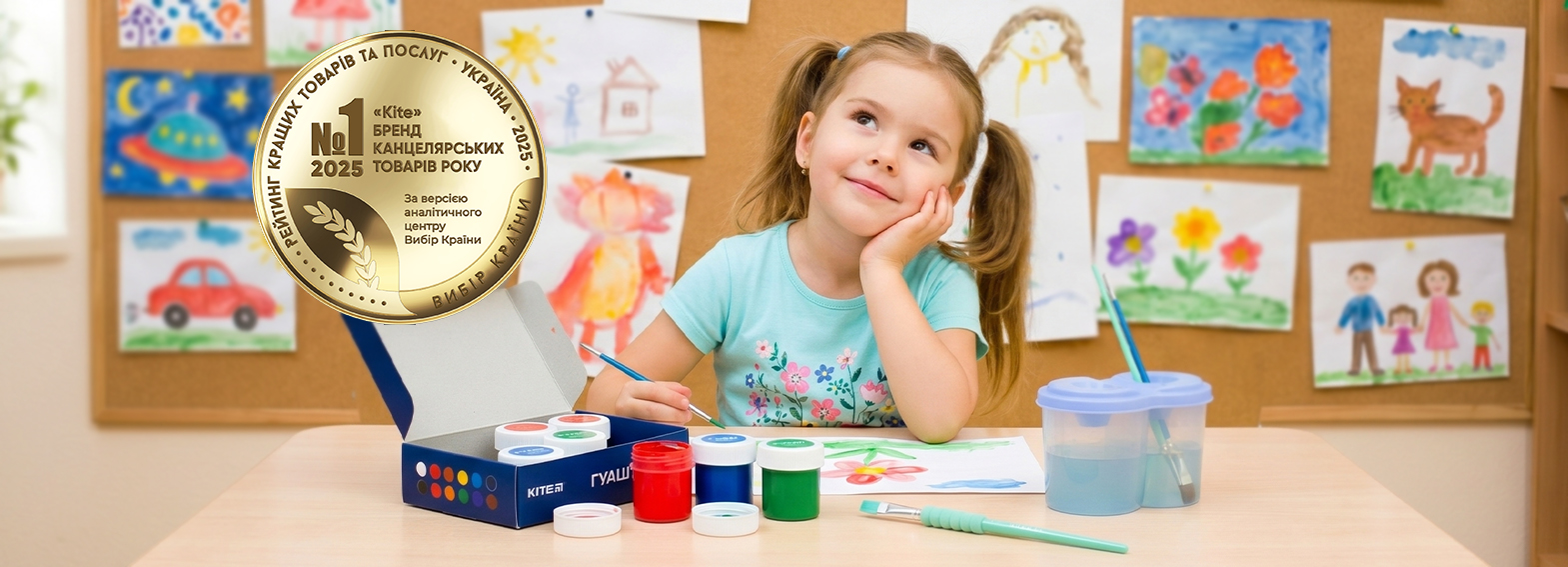
The Kite brand has once again won the ‘Country’s Choice’ award
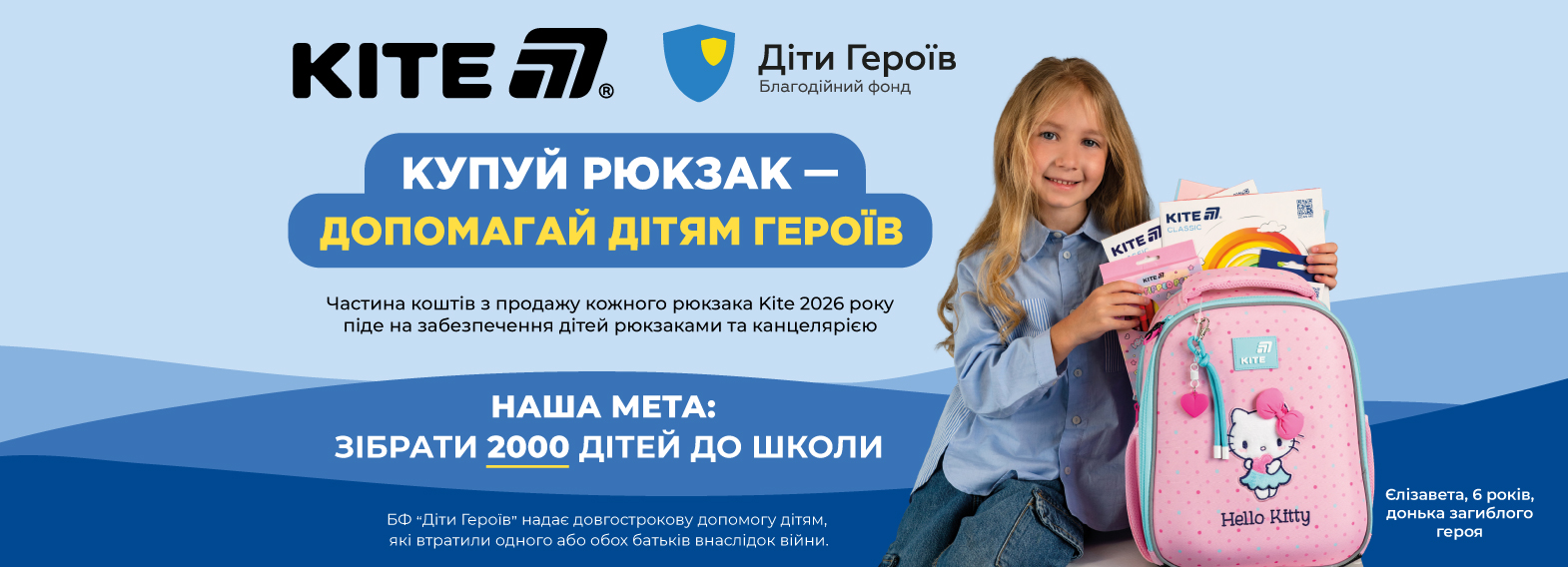
Kite and the ‘Children of Heroes’ Charitable Foundation: getting 2,000 schoolchildren ready for school once again
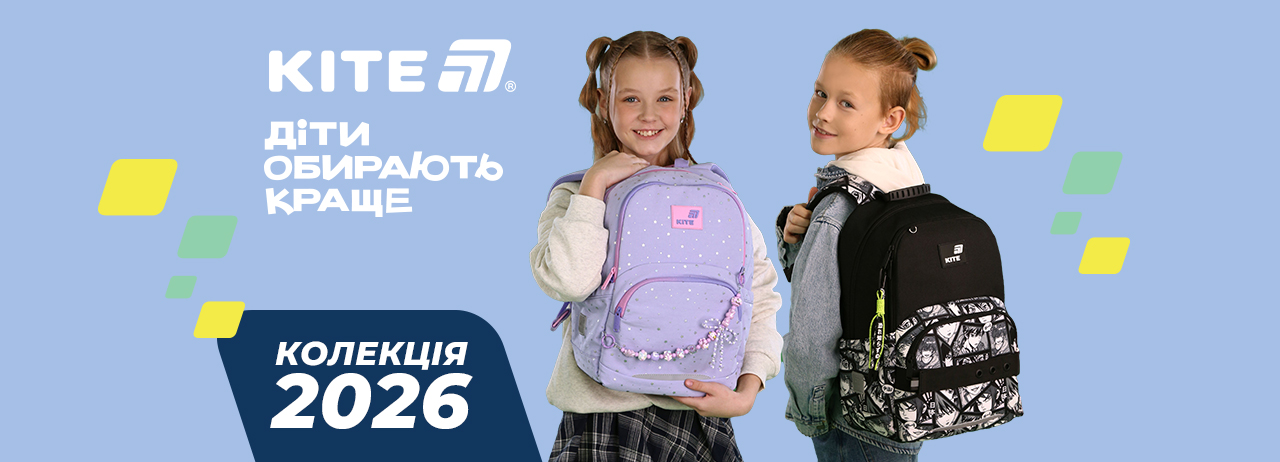
The new Kite 2026 collection is now available! Let’s kick off the season with numerous benefits

Kite thermos mugs: style, quality and demand
Subscribe to the news
Maybe we have something in common. Here are the main highlights about VIVAT.